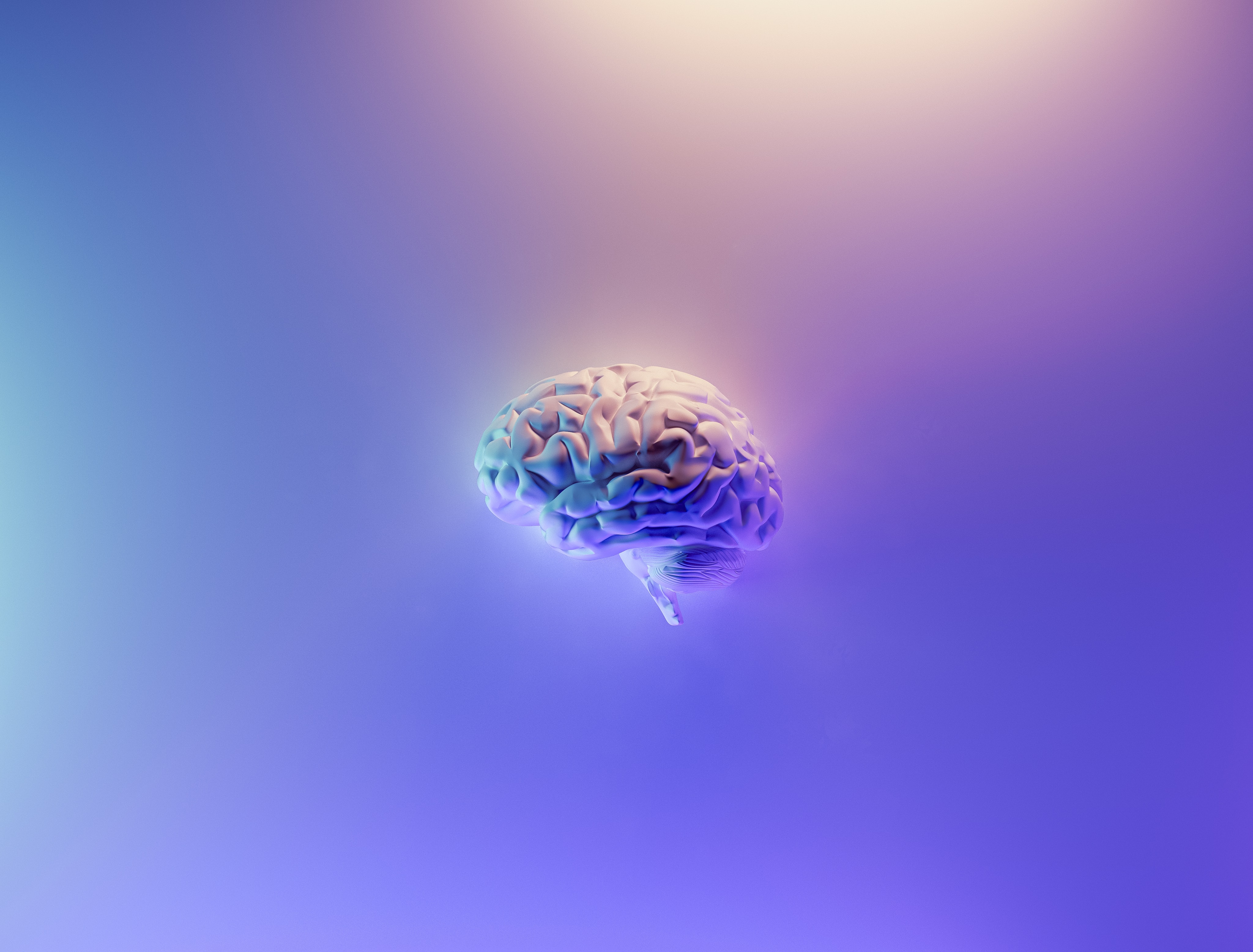
A Brain Computer Interface is a direct communication pathway between an enhanced or wired brain and an external device. Initial research on BCI began at DARPA an agency of the United States Department of Defense responsible for the development of emerging technologies for use by the military for defense and nation state protection purposes.
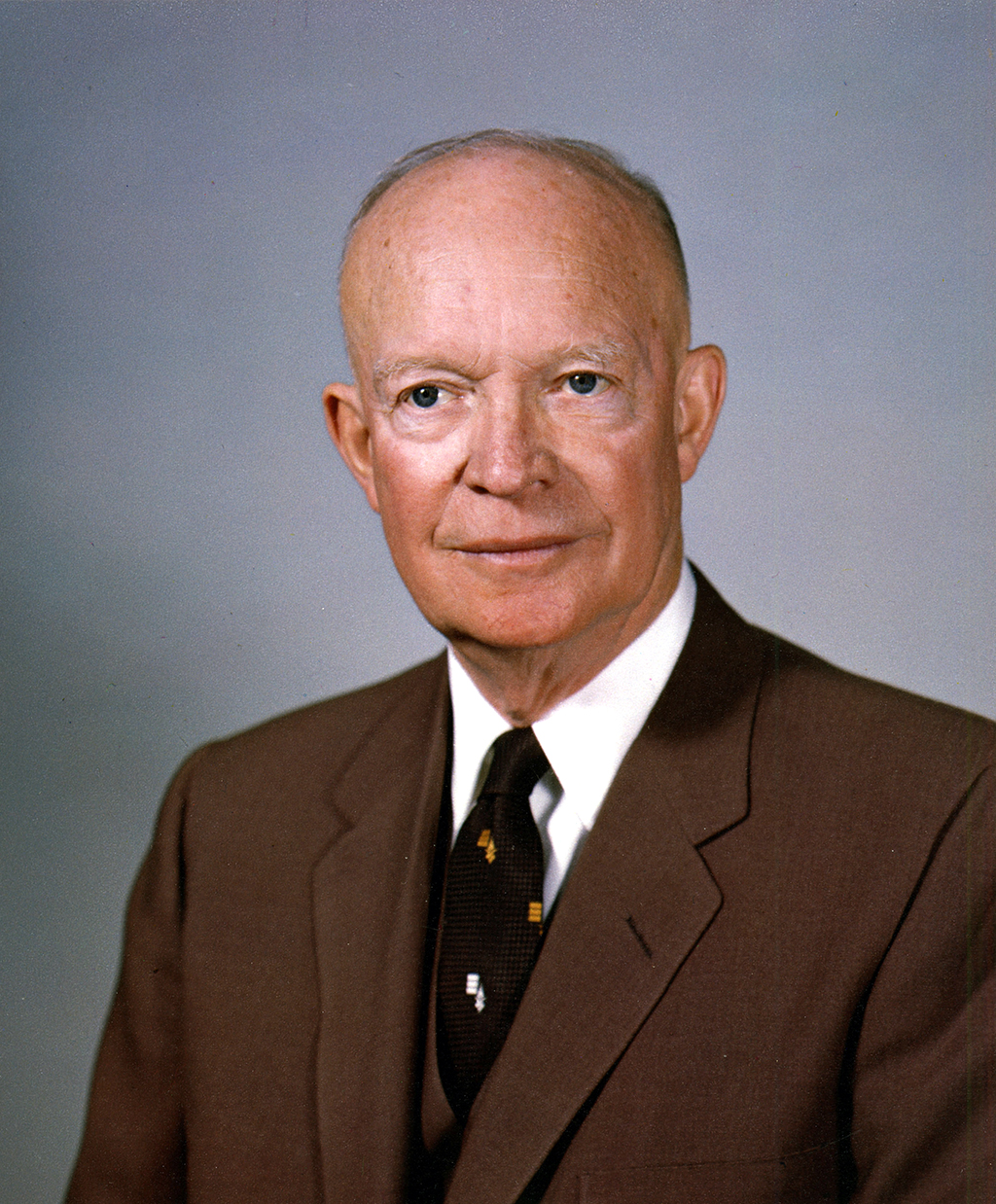
The research was first authorized by President Eisenhower in 1958 for the purpose of forming and executing research and development projects to expand the frontiers of technology and science, and able to reach far beyond immediate military requirements.
The field of BCI research and development has focused initially on neuroprosthetic applications that aimed at restoring damaged sense of hearing, sight and movement. Neuroprosthetics is an area of neuroscience concerned with neural prostheses, that is, using artificial devices to replace the function of impaired nervous systems and brain related problems, or of sensory organs.

Currently Elon Musk and his company is doing lots of research on brain-computer interface could one day help humanity merge with AI, record their memories, or download their consciousness. Could he be right? It’s a controversial topic but we are heading there surely.
The aim of Elon Musk’s startup is to develop technology to tackle neurological problems, from damage caused by brain or spine trauma to the type of memory problems that can become more common in people as they age. The idea is to solve these problems with an implantable digital device that can interpret, and possibly alter, the electrical signals made by neurons in the brain.
Most BCI work currently ongoing falls into two camps: either it’s looking at making consumer-grade, non-invasive kits that could ultimately offer a way of interacting with devices like smartphones — UIs based on thoughts rather than key presses or voice commands — or medical-grade systems to help people with brain or spinal injuries overcome paralysis. Elon Musk has far broader aims for his BCI research.
Convincing thousands of average people with no health conditions to undergo brain surgery. For most, the idea of having a chunk of skull bored out just to a get Fitbit installed is going to seem outrageous — the one on their wrist works fine, thanks — but replaying memories, downloading consciousness or merging with AI offers buyers the prospect of cheating death in an oblique way. That prospect could be decades away, at least, but perhaps in the long-term, the messaging of ‘get a neural interface, avoid mortality’ might be persuasive to many.

