50 years after Charles Darwin’s theory of evolution, Boccioni sculpted a futuristic man – Muscular, Dynamic, and Driven.
Umberto Boccioni’s Unique Forms of Continuity has had a lasting influence on the European avant-garde art movement. This large bronze sculpture was created by the artist in 1912-13 and reflects the aesthetic of Futurism, the Italian art movement Boccioni supported. The sculpture features a human figure, depicted in a moment of dynamic movement and forward propulsion.
The impact of Unique Forms of Continuity can first be seen in its immediate reception. This sculpture revolutionized artistic expression, combining traditional classical forms of sculpture with the angularism of modern art. It was one of the first Futurist sculptures to be exhibited, making an important statement about the possibilities of modern sculpture. The art critic Apollinaire described it as “a magnificent manifest of energy” and praised its revolutionary vision.
Unique Forms of Continuity has also had a profound influence on the development of modern art. It was the perfect demonstration of the aspirations of the Futurist movement, aiming to capture the dynamism of the modern world. Many other artists draw inspiration from this work, incorporating its use of movement and symbolism into their own works. The influence of Unique Forms of Continuity goes beyond sculpture, as it can be seen in modern art and design, from photography and performance to film and architecture.
Unique Forms of Continuity is also an example of Boccioni’s own technical and aesthetic innovation. His mastery of bronze casting allowed him to create a more complex form than had previously been achieved in sculpture. Boccioni employed several new techniques, from heat treatment to the use of patina and stone, to create the roughened texture and core of the sculpture. He also incorporated suggestions from his friends and colleagues, who encouraged him to use a dynamic pose which would perfectly reflect the Futurist ideals of speed and change.
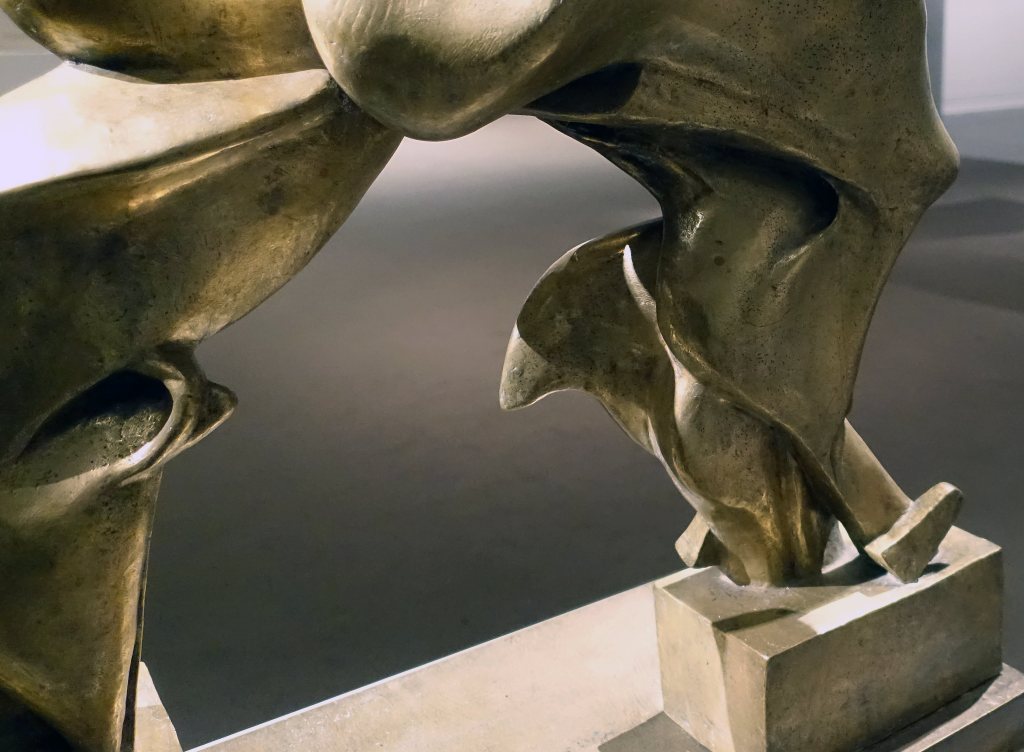
Unique Forms of Continuity is part of a series of dynamic sculptures that Umberto Boccioni created in 1913 purely to express his fascination of speed and movement.
The face of the sculpture is abstract, yet suggestive of a soldier’s helmet, an appropriate reference for the World War 1 which was going to place shortly. As all wars are they carry stories of “violence, cruelty and injustice.”
We all research. Even in our daily lives we collate, interpret, and analyse sets of information to make our choices, and go through plenty of data. Some by listening to their friends and family members, and others by listening to people who have devoted their lives to certain disciplines. Research is part of life and we all improvise our own methods to navigate complex situations and reach conclusions. Each one of us processes data in their own unique way to produce a world-view and and make meaning of the world around us.
Boccioni was originally a painter, but after a trip to France he witnessed the sculptural innovations that were taking place like Braque’s three-dimensional Cubist experiments. Hence, Boccioni transitioned towards sculpture.
Research in creative disciplines is very exciting. Like any other discipline, the search for the truths and the liberty one can take to go beyond the received processes and accumulated pre-conceived ideas. In creative disciplines, doing and thinking often overlap. Most artists and creative practitioners make seamless switch from practice to theory and theory to practice through their work, some challenging their thoughts, methods, and materials in unforeseen ways. To be able to recognise and find a way through major shifts is a really special feeling.
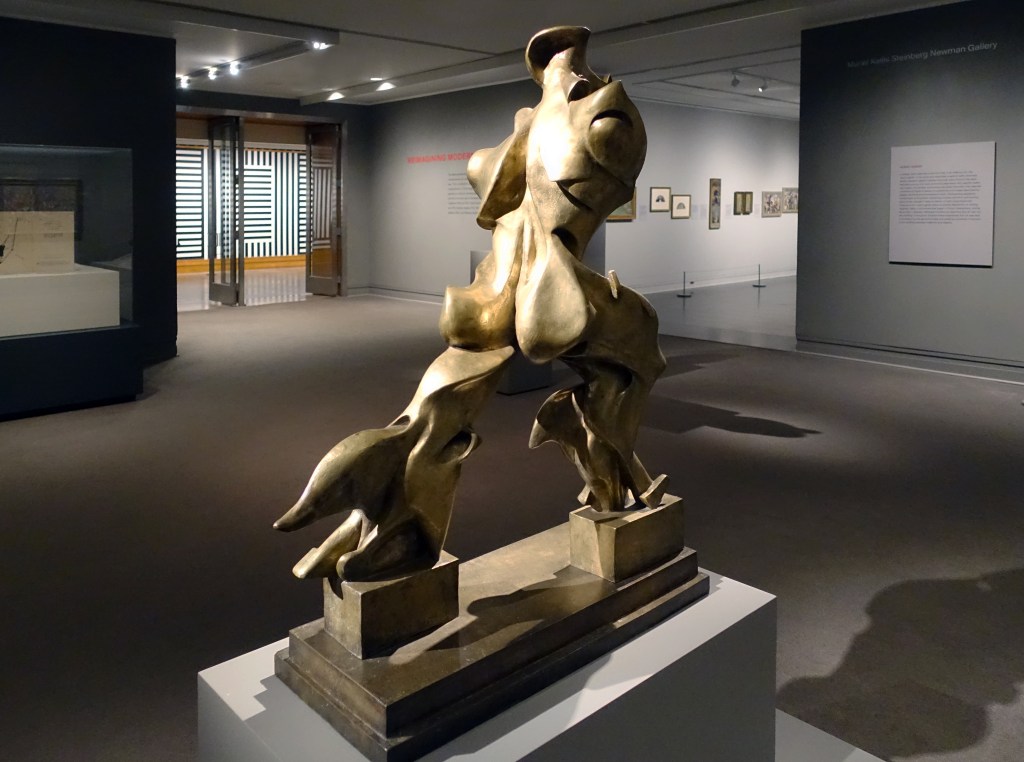
Movement was a key element for Boccioni, as technology of transportation was still in its early stages and evolving cars, motorbikes, and advanced trains allowed people to experience ever greater speeds. Boccioni was influenced by the blurry, fleeting, fragmentary sculpture standing still in time influenced by velocity.
I feel seeing and sensing is an art in itself and very multifaceted, the ‘whole person’ is involved, not just the mind, in the making as well as experiencing a work of art as a viewer. Learning does not only happens in the realm of ideas and concepts, but also feelings, emotional events and intuitive experiences that are hard to quantify and communicate. Perception and experience plays an important role in creative research, which makes the journeys of researchers, tied to their life and practice, a crucial aspect to be seen alongside the not just subject of their research but towards the outcomes of the the creativity they deliver.
The creative aspect of Futurism and how it influenced styles of art such as Dadaism, Art Deco, Art Nouveau, Constructivism, Cubism, Surrealism, and others. It would be hard to study twentieth-century art without taking a serious look at Futurism.
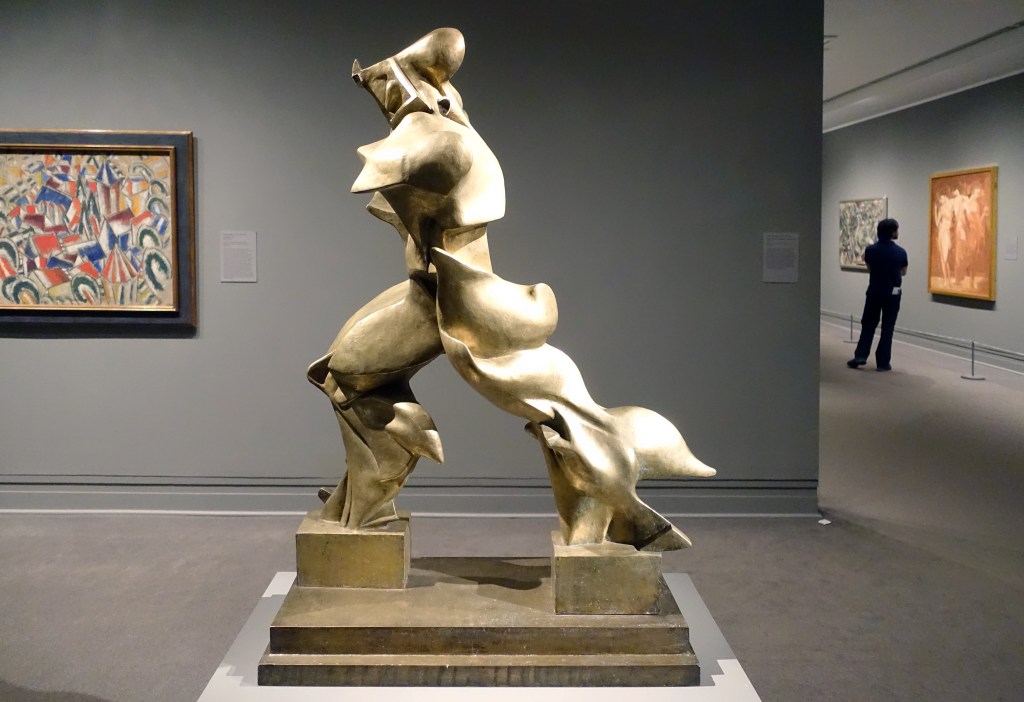
Futurism can be seen in movies such as Blade Runner and the various aspects of Cyberpunk. Depictions of cybernetic possibilities – joining humankind with machine, is one way of showing Futurism.
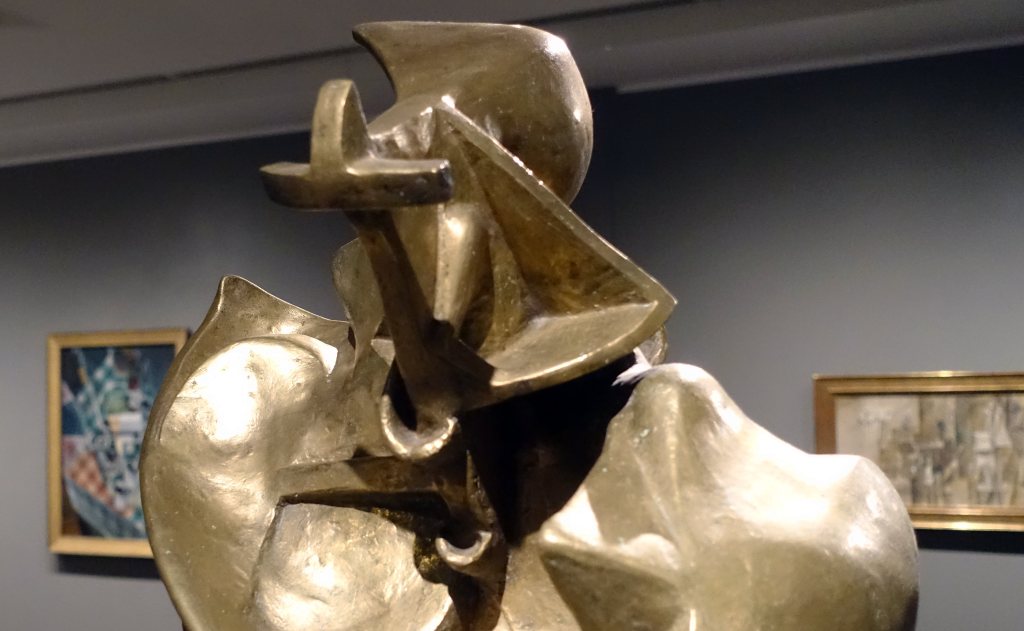
Lately In 2018, the sculpture was used as the basis of the trophy presented to the winner of the virtual FIA GT Online Championships because it depicted the fascination of machines, technology, and speed as a by-product of the industrial revolution in the beginning of the 20th century.
In conclusion, Unique Forms of Continuity by Umberto Boccioni is an iconic work of modern sculpture which has had lasting influence on European avant-garde art. Through his own technical and aesthetic innovation, Boccioni created a figure which perfectly encapsulated the aspirations of Futurism, inspiring generations of artists to come. Its innovative combination of classical and modern forms has become an integral part of the history of modern art and design, demonstrating the power of sculpture to capture the dynamism of our times.
 Farzan Chishti - Creative for a Living