The pace of digitization is picking up at an unprecedented rate in the last 36 months. Every single day, around the world. Almost every single management professional of the tech industry is working on an RFP to digitize an existing industry or sector. Thousands of developers working on new apps and technologies, that have the potential to disrupt the current market such as Google’s Nest. Google with their open-source platform have opened a galactic portal to free the mind. In addition the trend of corporate and technology acquisition does not seem to have any kind of end. WhatsApp’s takeover by Facebook is one very famous example. Thus in my opinion, digitization is going to change all business sectors, economic models, privacy, and even human behavior.

I predict that by 2020, almost everything will be somehow connected to the Internet. The big question for ‘Decision Makers’ is how can they change their mindset, strategic planning, work culture, and ultimately their output to keep pace with a world that is speeding faster than a Stolen Bugatti. They must let go of traditional way of thinking, and traditional business models.
I believe we are entering a future of branded utility, in other words branded satisfaction experienced by the customer via the utilisation of a technology, perhaps an app in his/her daily life. Just think of all the apps you use everyday in your life, and how important they are becoming to make your daily experience have a sense of completeness.
A. By following the path of Digitisation We are entering a New Era
Potentially the future could be a network of apps. Or simply a lot of apps talking to each other, exchanging ideas, for the benefit and ease of the consumer. The apps themselves mimicking human beings and human behaviour, since apps themselves are a by-product of the human intellect. These apps will be self-serving the interests of the humans that designed them. In terms of branding this is going to be a big shift to a new of thinking, meaning that the app users will not always have or even want any kind of emotional alignment with your organisation. They just want an app, that is aesthetically attractive, is is no fuss, and easy to use. That’s where the super-specialised role of UI/UX comes in. Thus brands will act as facilitators of user experience, there will be brands within a brand. Example an Apple iPhone or Google Nexus running different kind of Branded Apps.
B. How UX will become a differentiator?
Essentially your brand will become a piece of software running inside a product that in itself is a brand. So how can your brand stand out when it is when there is so much confusion and mixed messages being sent to the human mind? I’m not sure if anyone knows the answer to this.
Thus the brands will be become facilitators of utility or services, the differentiator or competitive advantage will be the User Experience. Currently brands offer services only through smartphones and some wearable devices. This will change very rapidly with the onset of more advanced technology. I can foresee a future in which digital experiences will soon mimic physical experiences with technologies such as Augmented Reality. Thus the User Experience will become a Brand Experience.
A lot of management professionals are not too concerned about UI/UX because they don’t understand the importance of this emerging field. But this area has a great impact, because that’s how your potential customer feels your brand. Today’s consumer is not a very loyal consumer, they have a lot of options to choose from. The Google vs Apple debate, and the variety of apps to fulfil the same purpose is clear evidence for this. The consumers have always been vocal advocates for pleasurable experiences. Like a friend who would describe how he enjoyed visiting a particular place, sparking interest in yourself, to try the same experience.
Unfortunately the same individuals who live in a world of creativity, live very polarised lives. Because of their way of work, insists on breaking established rules, they are the un-conventionalists. They are the ones who make traditionalists frown. People might think this is weird or different from the norm. But the imaginative people live in the future. I can easily remember watching Terminator 1 as a child with drones attacking human beings, now this a daily reality in the Middle East, and some parts of Asia.
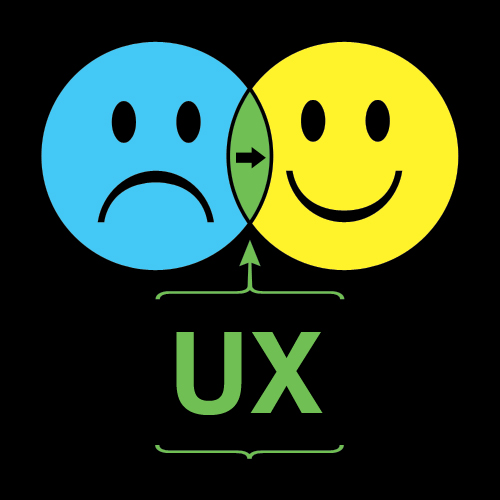
C. Organisations will have to invest more time and resources in Design so that it becomes their Brand Ambassador
Almost everyone is aware that the User Experience Design in specific enables a human interaction with a computer. It breaks the barrier between the digital and the perceived physical or human reality. This phenomenon is in alignment of the barriers between designers and software developers. Thus the User Experience will be having a conscious conversation with the mind of the user, impacting his attachment to your product or loyalty to that particular brand. If they feel that the the product is complicated or not pleasing to use, they will shy away from your brand. This is a clear sign that even current organisations are not adapting to a user-centric approach to their mindset, which Apple is the leader of.
D. Building a solid eco-system will become Corporate Priority
These days people are dependent on Google Play store or the Apple Store. Current technology companies have the budgets and even the management experience to acquire companies beyond their reach or scope of work. The future when a technology company acquires an automotive manufacturer or an airline is not too far. Organisations will do this to build uniform ‘Experiences’ based on customer loyalty. A great example is Virgin, think of all they different kind of businesses they are getting into. From Telecom, Media, and even Space Travel.
As the world becomes more connected. User Interface/Experience Designers will take the limelight.
The Big question is, Is your brand ready?
 Farzan Chishti - Creative for a Living